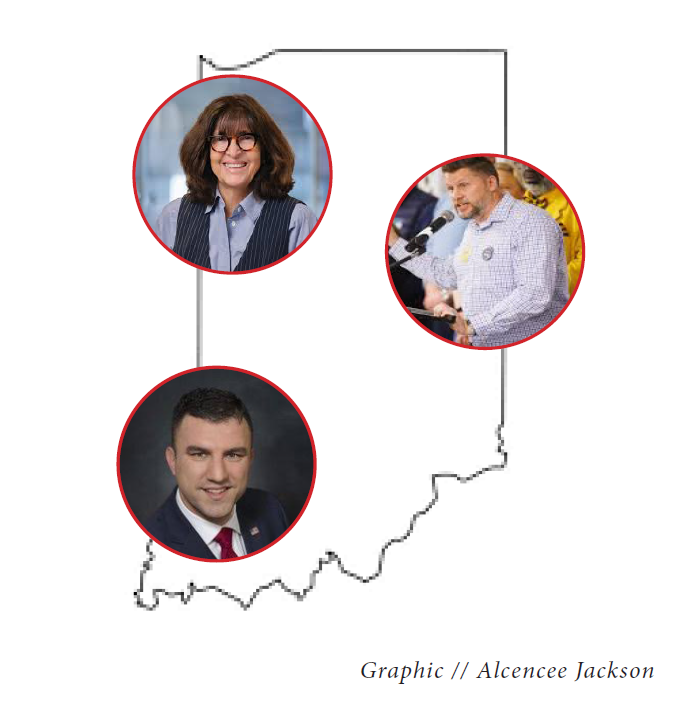
Indiana lawmakers passed Senate Bill 1 that made new restrictions on Medicaid and SNAP for all Hoosiers using them.
Medicaid is a government-funded health insurance program that provides coverage for low-income families and children, including 1.8 million residents of Indiana. Similarly, SNAP offers monthly assistance to help these groups purchase groceries.
Republican lawmakers argue that their efforts are focused on eliminating “waste, fraud, and abuse” and reducing Indiana’s spending on these programs. Many of their initiatives resemble the plan of President Donald Trump’s “One Big Beautiful Bill,” which also proposed significant reductions to Medicaid and SNAP at the federal level.
Meanwhile, supporters warn that Indiana’s recent changes, such as implementing work requirements, verifying immigration status, and restricting eligibility and could result in people losing access to assistance or discourage eligible individuals from applying altogether.
Medicaid:
Indiana Medicaid is increasing eligibility checks, requiring Healthy Indiana Plan members to verify their status every six months.
The law also mandates that HIP enrollees report 80 hours of work or volunteering monthly, adding extra paperwork for many. Some exemptions apply, like pregnancy or serious health issues and emergencies. If paperwork is delayed, individuals risk losing coverage until they meet the requirements retroactively.
Starting in January 2027, these checks and work rules could impact nearly 400,000 Hoosiers, potentially leaving them uninsured and leading to worse health outcomes. The state’s Medicaid agency has not yet estimated how many will lose coverage.
To prepare, individuals should organize key documents, set up an account with FSSA for updates, and consider seeking help from navigators or legal services if needed. You can also appeal if you’re disenrolled and contact your representatives to raise concerns.
“People are going to be more likely to lose health care due to an administrative error,” said Tracey Hutchings-Goetz, the policy director for Hoosier Action, a group that opposed the bill, to MirrorIndy. “More frequent eligibility checks mean more mistakes, and people will have to appeal.”
SNAP:
Indiana SNAP is updating its asset limits, reducing the savings a family can have before losing benefits from $5,000 to $3,000. Households with seniors or disabled members can now have up to $4,500 in assets.
“They’re changing the math to punish eligible people who live with someone ineligible,” Weikert Bryant, the executive director of Feeding Indiana’s Hungry, a state association representing 11 food banks, said to Mirror Indy. “The implication is that someone ineligible is undocumented, but it actually hits a much larger group than that.”
The calculation of SNAP benefits now also includes the income of household members who were previously excluded, such as ineligible roommates or others not qualifying for the program. This change could cause some families to lose benefits or see them reduced. Ineligible individuals include those with certain immigration statuses, like undocumented immigrants, those with visas, or recent legal residents. Most refugees and asylum seekers will lose eligibility in October 2026 due to the “One Big Beautiful Bill.”
These changes will begin in July 2026, potentially affecting around 3,000 households and saving the state about $635,000 over two years. The state is still determining the exact number of impacted individuals.
Immigration Status:
Indiana lawmakers introduced new immigration verification rules for SNAP and Medicaid applications. Undocumented people are already ineligible for these benefits, and starting October, refugees and asylum seekers will face further restrictions.
Senate Bill 1 requires applicants to disclose the immigration status of household members. If verification fails, the state will send the info to federal agencies. DHS for Medicaid and the Department of Agriculture for SNAP.
Advocates warn this could force eligible citizens to choose between benefits and family deportation risks. In Indianapolis, 1 in 5 children have immigrant parents.
FSSA hasn’t clarified how the info will be used or shared, stating the process is still under review. However, the bill’s author, Senator Chris Garten (R) made it clear: “If you’re an illegal alien in Indiana, we’ll report you to DHS, and I hope you’re deported quickly,” he said.
These rules take effect in July 2026. FSSA isn’t sure how many families will be affected or if fewer will apply. They encourage everyone to provide accurate info as they can.