Compiled by Mira Costello
Sorting through information noise in 2025 can feel like a monumental task. Here are some important headlines since you last picked up The Preface.
IU Bloomington’s student newspaper, the Indiana Daily Student, had its print edition tentatively reinstated after severe backlash. On Oct. 14, student media director and IDS adviser Jim Rodenbush was fired for not complying with the administration’s request to exclude certain content from a special edition of the paper. Two days later, the university cancelled the publication’s printing privileges. However, on Oct. 30, IU Bloomington Chancellor David Reingold reversed the decision. Rodenbush has also filed a federal lawsuit against IU alleging violation of his First and Fourteenth Amendment rights. Public responses to the situation have alleged censorship by IU administration, which administrators have denied. IDS editors noted that the university did not apologize, but has permitted the publication to continue using its budget for printing through June 30, 2026.
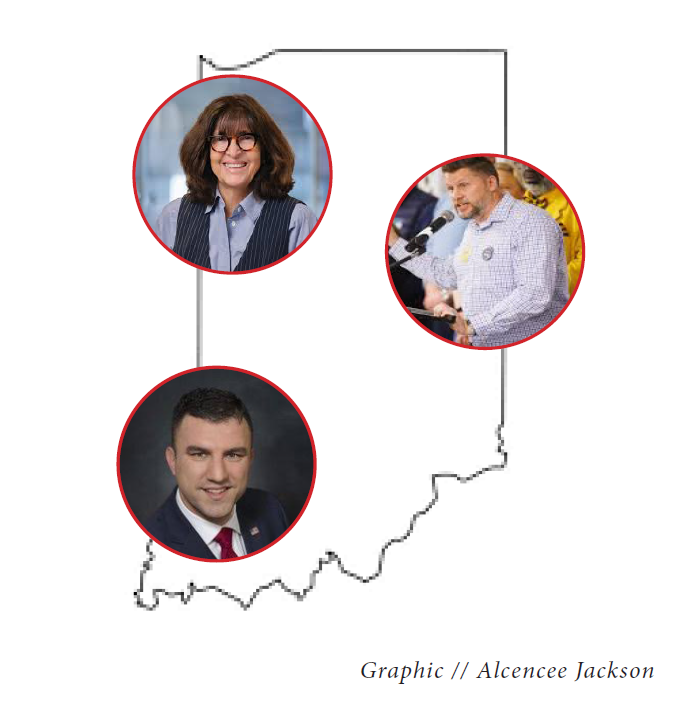
Indiana Gov. Mike Braun called a special session for the state legislature to discuss redrawing Indiana’s congressional district map. The proposed redistricting would most likely flip two congressional districts from Democrat-led to Republican-led, meaning every congressional district in the state would put Republican representatives in Congress. Braun called the session for Nov. 3, giving legislators until Dec. 13 to convene; a spokesperson for the Indiana Senate President Pro Tempore said the Senate will likely hold the session in the first two weeks of December to finish the maps by the deadline. It remains unclear whether there are enough votes in support of redistricting for the new maps to pass, with some Republican representatives expected to vote against it.
The federal government has been shut down since Oct. 1, marking the longest shutdown in history as of Nov. 4 and affecting many areas of the economy. A government shutdown occurs when Congress fails to pass a budget bill. The second longest, at 35 days, occurred in 2018-2019 during Trump’s first presidency due to border-wall funding disputes. The current shutdown encompasses a range of issues, including tariffs, healthcare and discretionary spending. It remains unclear if the Senate is close to passing a continuing resolution that would restore funding. Now, over 1 million federal workers have been furloughed or are working without pay, and the Congressional Budget Office projected that the shutdown could cause a $7 billion to $14 billion permanent loss to the U.S. GDP permanently, with $15 billion lost per week in the short term. Research, federal court proceedings, FAFSA processing, air travel, IRS taxpayer assistance and many other operations remain hindered or halted because of the shutdown.
Supplemental Nutrition Assistance Program (SNAP) benefits are at risk across the country because of the shutdown. SNAP is funded by the federal government, but benefits are disbursed by individual states, so the potential impact may vary, but many states have warned that funds will run out by the middle of November. On Oct. 31, two judges ruled that the federal government could not allow SNAP funding to lapse entirely, but must use contingency funds to continue it. However, these funds will not cover the needs of all SNAP recipients, so states whose legislatures do not front some cost themselves will see a delay or reduction in benefits. In Indiana, nearly 600,000 people receive SNAP benefits, but the Indiana Budget Committee rejected a proposal that would have used state funds to help fund SNAP and support food banks facing higher demand. The Food Bank of Northern Indiana – in St. Joseph County, where over 27,000 people receive SNAP – reported a record number of families in need of food on Oct. 29, with 383 different households represented in one day.