It’s no secret that AI is beginning to take over the internet, and it’s getting more and more difficult to tell the difference between digital media that is AI generated and digital media that isn’t. Videos, images and even music are being taken over by AI, and it’s only getting more convincing as time goes on. So, how can you tell the difference?
If you’ve ever been scrolling on Instagram or TikTok, you definitely have seen many videos generated by AI. Sometimes these videos can be extremely convincing, and other times they can be so outrageous that you can tell right away that a real life Pikachu isn’t actually jumping on that trampoline. One of the easiest ways to detect if something is AI is if there are any unnatural movements or glitches. Things like continuity errors and items disappearing or appearing out of nowhere are good indicators. If something doesn’t seem human, it probably isn’t.
Text is also a good indicator of AI, as it is usually spelled incorrectly or it looks very unnatural. AI also tends to smooth out skin and other textures and creates odd shadows or lighting.
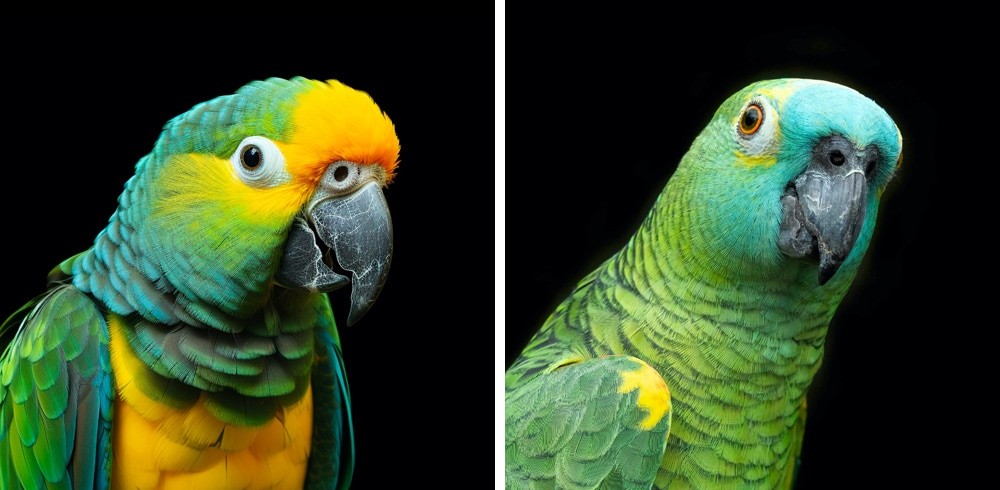
Videos and images are fairly similar when it comes to indicators. Images that are overly perfect, super smooth or unnatural are more likely to be AI. When it comes to humans, AI isn’t the best at anatomy, so that is also a telltale sign. AI models might also exaggerate certain features that don’t need to be accentuated, like overly red eyes and noses on a crying person. There are also some obvious signs like AI watermarks used by some AI software, such as the Sora watermark.
There are also softwares like Google Gemini that you can run images and videos through to check to see if they’re AI, but a lot of those softwares are also AI so they’re not 100% trustworthy. It’s getting harder and harder to be able to tell, so there’s no foolproof way of telling if something is real or not.
There has also been an increase in AI-generated music on streaming platforms like Spotify and YouTube, and some platforms are even choosing to push AI music over human-created music. Many people are against this due to its soulless nature, and it puts the future of the music industry at risk.
There are some key ways to tell the difference between AI music and real music. A good way to tell if a song is AI is by simply researching the “artist.” If there isn’t much information online about the “artist” and there were multiple albums released in a suspiciously short amount of time, there’s a good indication that it’s AI. If the album art is also clearly AI, then there’s a good chance that the music is as well. Some other ways to tell if a song is AI is if it has audio glitches or simply doesn’t sound human.
Not only has AI begun taking over the internet, it’s also been more apparent lately in commercials. Well known brands like Coca-Cola, Nike and Heinz have used generative AI to create commercials and advertisements, just to name a few.
There are many, many reasons why this is becoming a problem. AI is taking away jobs from artists who put their hard work and time into being creative. Why hire an artist if a computer can just make it in a fraction of time, right? AI is also extremely bad for the environment, using an immense amount of water and energy. Being able to tell the difference between things that are artificially generated and things that aren’t is crucial as AI becomes ubiquitous.