There are so many events and scientific accomplishments in medical history that Black women have made that white men have taken credit for. Most of the medical practice is unjustified and unethical to the point that many doctors take advantage of making a scientific discovery. Many Black women died at the hands of a medical malpractice that continues to spark rage to this day.
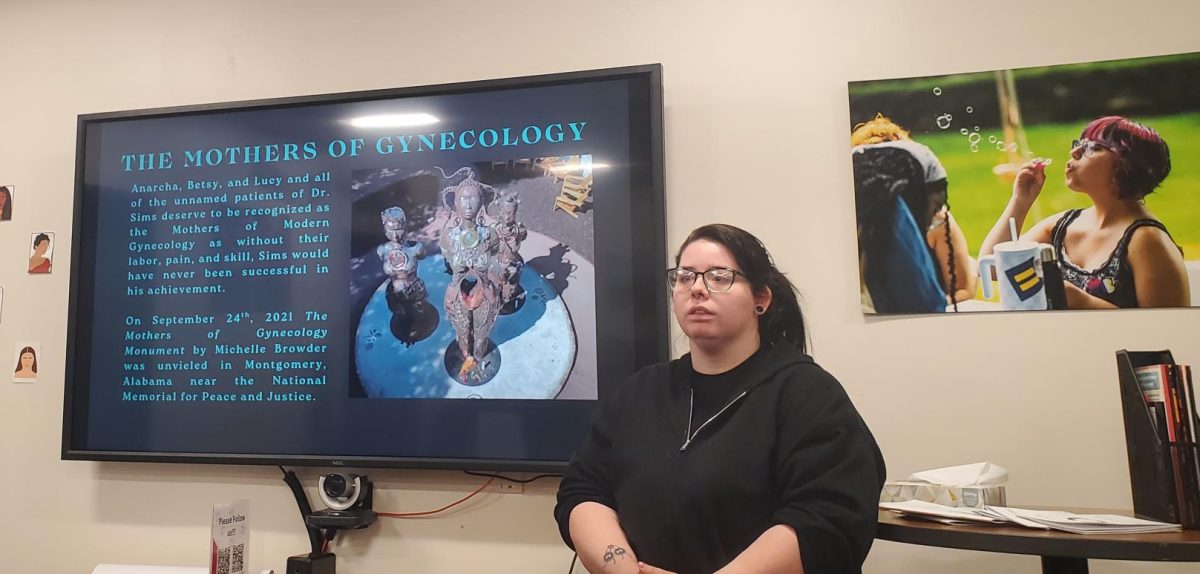
In the “Beyond the Exam Room” event hosted by the CUBE on Feb. 24 as part of their Black History Month offerings, the topic was to recognize the history of Black women who were used by the medical industry. Raine Lee spoke about the Mothers of Gynecology, who were a group of three enslaved Black women named Anarcha, Betsey and Lucy.
They endured brutal experimental surgeries with no anesthesia by Dr. J. Marion Sims to cure vesicovaginal fistula, a condition resulting from childbirth that made the women unable to work, in order to make them more productive for their enslavers in the 1840s. Their suffering helped develop modern gynecological methods, but they were largely excluded from medical history.
Lee explained that these three women were not credited or mentioned at all by Dr. J. Marion Sims in his studies, nor did he attribute their content to them, which wasn’t uncommon during that time. These women went nameless for many years.
They were later named The Mothers of Gynecology, and Michelle Broder made a monument in their honor in Montgomery, Alabama near the National Memorial of Peace and Justice.
Misel Ramirez Vasoli gave a presentation of Henrietta Lacks, a Black tobacco farmer, who had cancer cells taken without her consent in 1951. These cells became the first “immortal” human cell line, revolutionizing medical research, but her family remained unaware and unpaid for decades. Her cells enabled major scientific advances, yet her family only learned of their existence in the 1970s, raising concerns about medical ethics and racism.
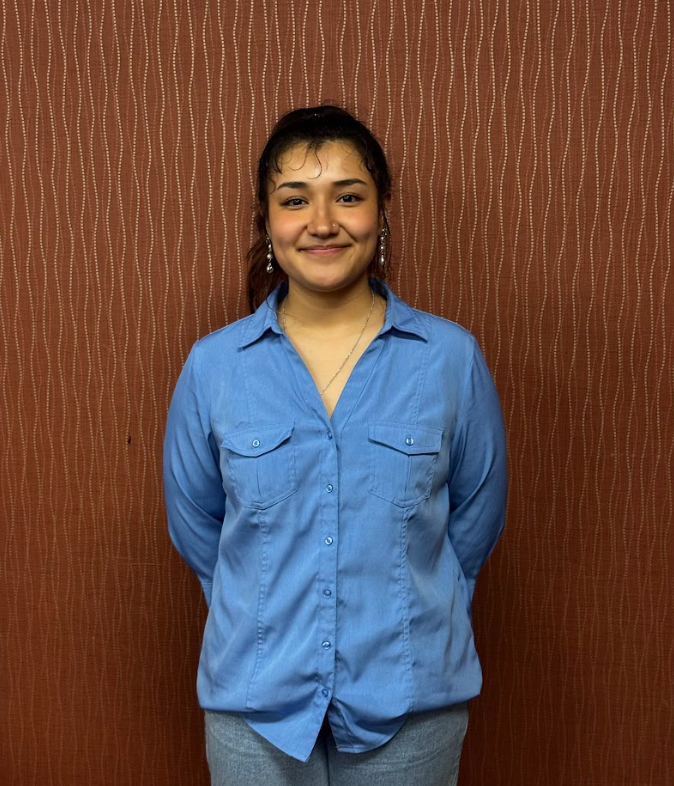
“Unfortunately . . . there are still a lot of lower standards of care for the Black and African American community,” Misel Ramirez Vasoli, coordinator of the CUBE, said.
The CUBE helped students and faculty understand the crucial importance of the safety of Black women from harmful medical practices. They also want students to reach out to learn more about this and become activists so that this part of history doesn’t repeat itself.